How Are Teeth Crowns Different From Veneers?
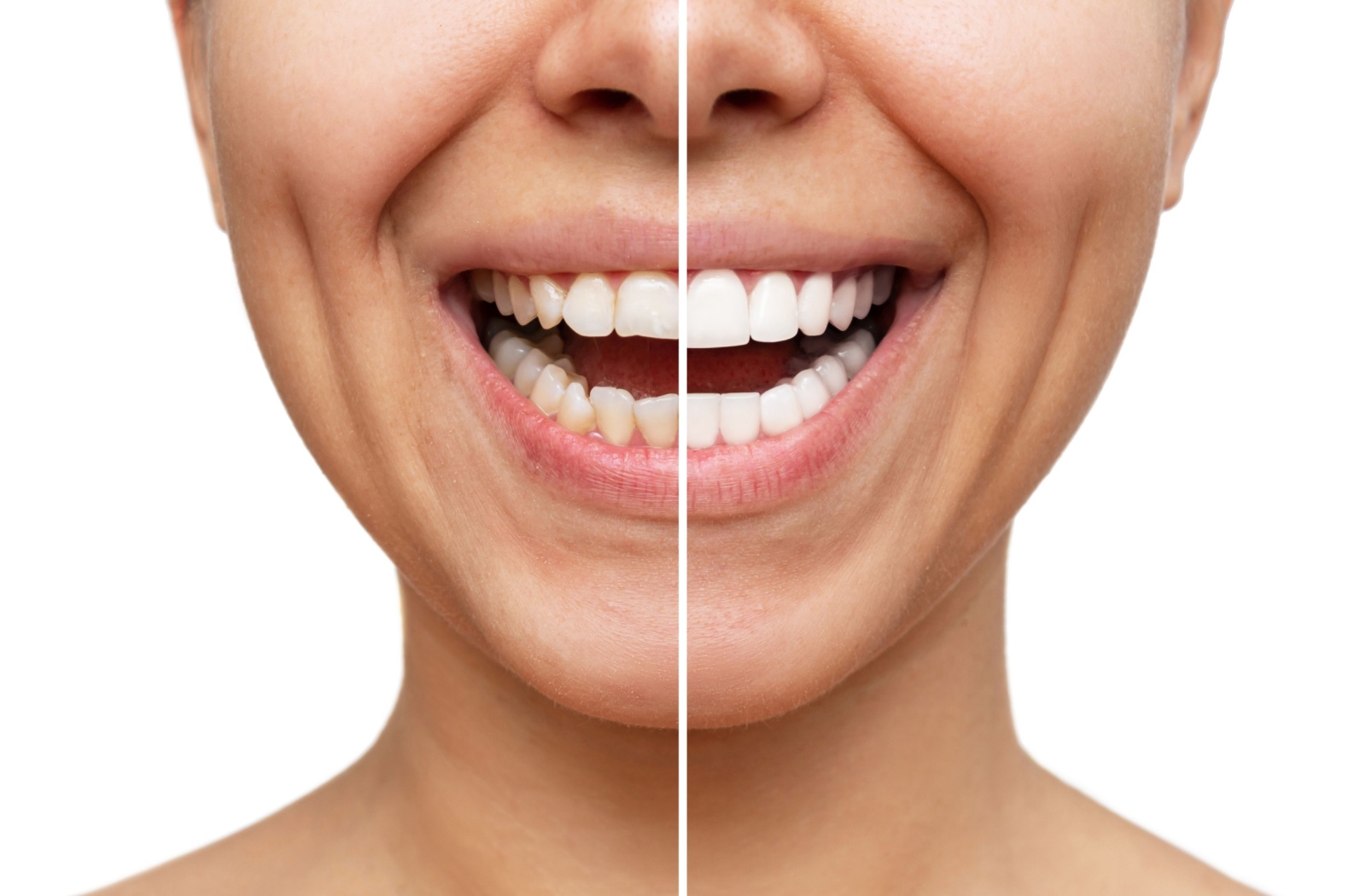
When you want to improve your smile, you have several treatment options to help you achieve the look you want. Both crowns and veneers can transform your teeth, but they serve different purposes and work in unique ways.
Dental crowns cover your entire tooth and focus on restoration and protection, while veneers are thin covers that attach to your front teeth primarily for cosmetic improvements.
What Are Dental Veneers & How Do They Work?
Veneers are ultra-thin shells made from porcelain or composite material that bond to the front surface of your teeth. These custom-made covers are typically about 1mm thick, roughly the thickness of a contact lens. They're designed specifically to improve the appearance of your front teeth that show when you smile.
After taking impressions of your teeth, your dentist will prepare temporary veneers to protect them while the lab fabricates your custom veneers. Dentists will remove a small amount of enamel from the front of your tooth to make room for the veneer. This conservative approach preserves most of your natural tooth structure.
Once your veneers are complete, your dentist removes the temporaries and bonds the permanent veneers to your teeth using special dental cement. The entire process typically takes 2 to 3 visits to complete.
What Are Dental Crowns & When Do You Need Them?
A dental crown completely covers your tooth from the gum line to the chewing surface, acting like a protective cap. Crowns are about 2mm thick and provide structural support for damaged or weakened teeth. They're designed to restore both function and appearance of your tooth.
Crown preparation requires removing more tooth structure than veneers, typically 1–2mm from all surfaces of your tooth. This creates enough space for the crown without it feeling bulky in your mouth. Your dentist shapes your tooth to provide a stable foundation for the crown.
After preparing your tooth, your dentist takes impressions and places a temporary crown to protect your tooth. The dental lab creates your custom crown, which can take up to 2 weeks, depending on the material. At your final appointment, your dentist removes the temporary crown and cements the permanent one in place.
Key Differences Between Crowns & Veneers
Crowns and veneers both cover one or more teeth, but they have plenty of differences, including:
Coverage Area
Veneers cover only the front surface, while crowns cover the entire tooth and are typically thicker. This difference affects both their durability and the amount of tooth preparation required. The coverage area also determines which option is best for your situation.
If you’re looking to simply address a cosmetic chip or unsightly gap, veneers are a simple solution. If you need to add structure or even replace a tooth entirely with a dental implant, crowns are the way to go.
How Much Tooth Structure Gets Removed
Veneers require minimal enamel removal from just the front surface of your tooth. Crowns need more extensive preparation, with tooth structure removed from all surfaces. This makes veneers a more conservative treatment when appropriate for your needs.
Purpose & Treatment Goals
Veneers primarily focus on cosmetic improvements such as colour, shape, and minor alignment issues. Crowns serve both restorative and cosmetic purposes, providing strength and protection for damaged teeth. Your specific dental needs determine which approach works for you.

Which Option Is Right for Your Situation?
Veneers work well when you want to improve your smile, but your teeth are still structurally sound. They can address several cosmetic concerns effectively:
- Discoloured or stained teeth that don't respond to teeth whitening treatments
- Minor chips or cracks on front teeth
- Small gaps between teeth
- Slightly crooked or uneven teeth
Crowns provide the strength and protection you need when your teeth have structural damage or weakness. Consider crowns for these situations:
- Large fillings that weaken your tooth
- Teeth that have had root canal therapy
- Severely cracked or broken teeth
- Teeth worn down from grinding or clenching
Sometimes a tooth initially planned for a veneer needs more preparation due to damage or decay found during treatment. Your dentist can adapt the treatment plan and recommend a crown instead. This flexibility helps you get the most appropriate treatment for your specific situation.
Cost Comparison & What to Expect
Veneers typically cost between $925 to $2,500 per tooth, depending on the material and complexity of your case. Porcelain veneers usually cost more than composite versions but offer excellent durability and appearance.
Crowns typically range from $1,000 to $3,500 per tooth, with the price depending on the chosen material and tooth location. Crown materials such as porcelain, ceramic, and metal alloys vary in cost.
What Does Insurance Cover?
Insurance often covers crowns when they're needed for restorative purposes, such as protecting a tooth after a root canal. Veneers are typically considered cosmetic and may not be covered by insurance plans. The Canadian Dental Care Plan may provide coverage options for eligible residents. Your dental team can help you understand your specific coverage and payment options.
Caring for Your New Smile
Both crowns and veneers require the same basic care as your natural teeth — regular brushing and flossing, and dental checkups. Avoid using your teeth as tools to open packages or crack nuts. Good oral hygiene helps both treatments last longer.
Veneers typically last 10–15 years with proper care, while crowns can last 15–20 years or longer. The lifespan depends on factors like your oral hygiene, eating habits, and whether you grind your teeth. Regular dental checkups help monitor your restorations and catch any issues early.
Set Your Smile up for Success
Whether you choose veneers or crowns, McKenzie Towne Family Dental can help you achieve the smile you want with personalized care tailored to your needs. Schedule your complimentary smile evaluation to discuss which option works for you and learn more about your treatment options.